abacus |ˈabəkəs|
noun (pl. -cus⋅es)
an oblong frame with rows of wires or grooves along which beads are slid, used for calculating.
ORIGIN late Middle English (denoting a board strewn with sand on which to draw figures): from Latin, from Greek abax, abak- ‘slab, drawing board,’ of Semitic origin; probably related to Hebrew ‘ ā b āq ‘dust.’
I think I may have played around with an abacus as a child, learning how to move the beads up and down, back and forth, counting. But I never got to the serious calculations stage. I met a group of Singaporeans over the summer in Ladakh and saw them do really complicated calculations by picturing an abacus in their mind and waving their forefingers around in the air, moving imaginary beads. Their calculations were fast and always spot on. So for any parents with young kids, get on that.
My love for abacuses is entirely aesthetic. A boy I know in Ladakh remembered learning how to use one and wanted to re-learn the art. I’ve tried before to find an abacus in India and it is near impossible- unless you want a cheap plastic one or one with little fairies and cows from the kids section at Hamley’s. No thanks. I finally found a small, beautiful wooden one for him on Etsy. It probably won’t be used for “serious calculations” but it was really very lovely.
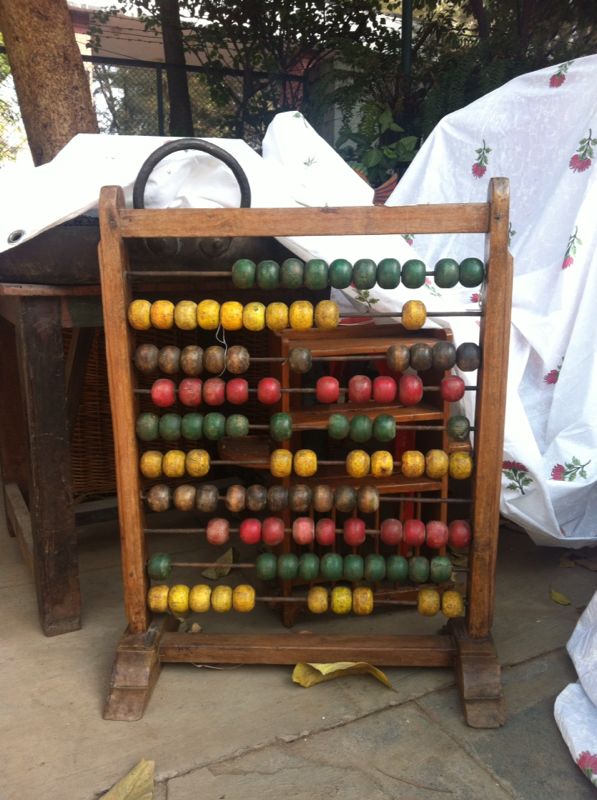
Just over a month ago I arrived at my new home in Pune with the task of filling my room with the things I love. I was in a store looking for bedside tables and was having very little luck. A part of the shop was being painted so there was some furniture piled up outside under large white sheets. I was curious. Buried underneath, I found this. I smiled. It was the perfect abacus.
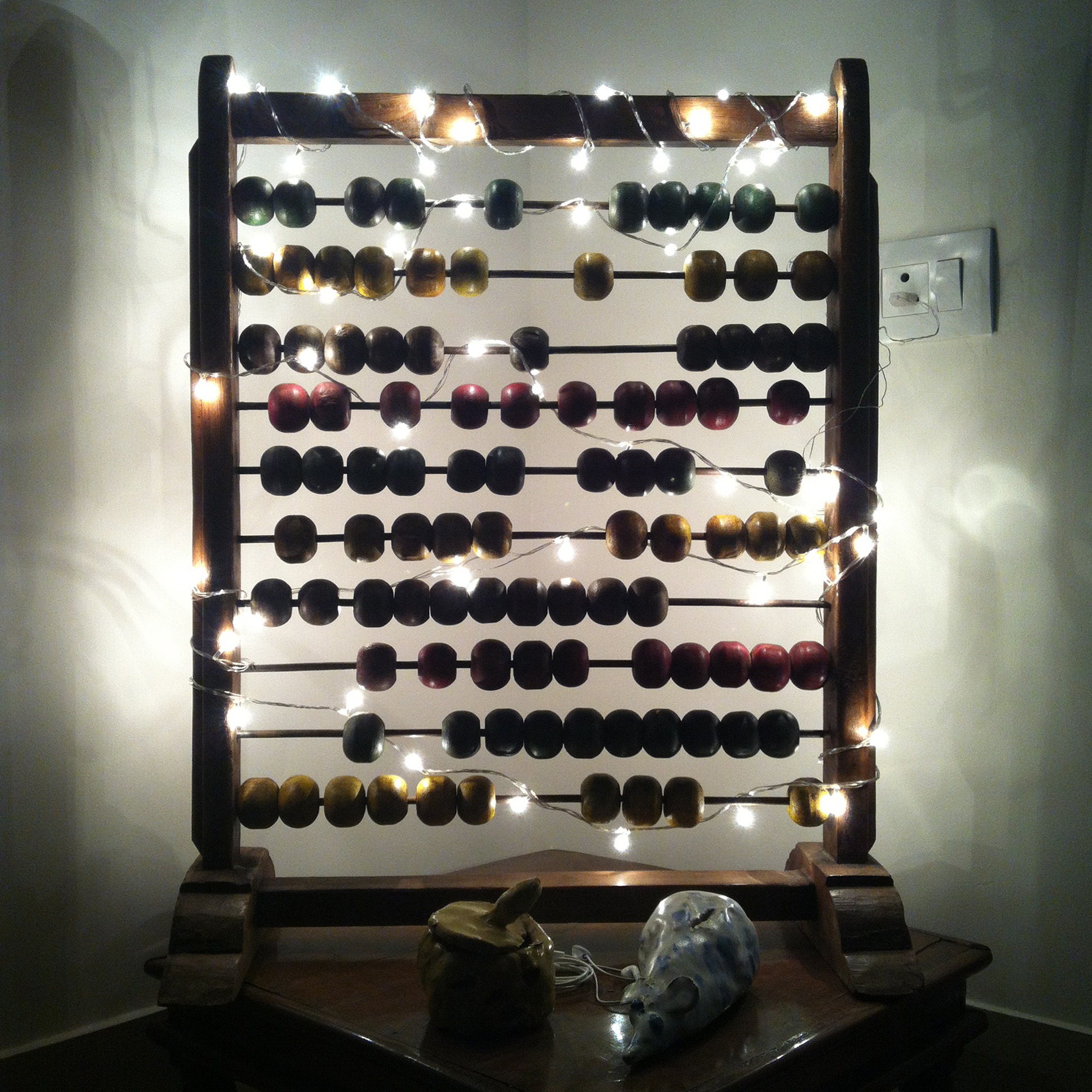
I brought it home. It now looks like this. It is my new favourite thing.
 uttarapant.com